[CONGRATULATIONS] Jérôme BECKER on His Promotion to Director of Research
from December 6, 2025 to January 6, 2026
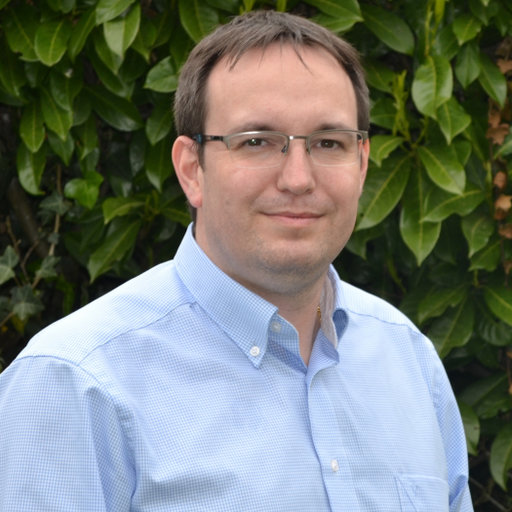
Congratulations to Jérôme A.J. Becker on His Promotion to Director of Research (DR2) at Inserm !
We are delighted to congratulate Dr. Jérôme A.J. Becker on his promotion to Director of Research (DR2) within Inserm’s CSS7 – Technologies for Health. This appointment highlights his outstanding scientific achievements and his leadership in advancing innovative approaches at the interface of neuroscience, behavior, and therapeutic technologies.
About Jérôme Becker
Dr. Becker is a neuroscientist whose work focuses on understanding the biological mechanisms underlying social behavior, reward processing, and neuropsychiatric disorders, with a particular interest in G-protein–coupled receptors (GPCRs) and opioid signaling pathways.
He earned his PhD in Molecular and Cellular Biology from the University of Strasbourg and later completed his Habilitation à Diriger des Recherches (HDR). After contributing to several Inserm units—most notably within teams exploring opioid systems and brain function—he became a research associate (CR1) and now leads the DRuGS team (“Deficits of Reward, GPCR and Sociability”) at the iBraiN UMR1253 laboratory (Inserm / University of Tours).
His research has significantly advanced our understanding of how alterations in reward circuits and neuromodulatory systems contribute to autism spectrum disorders (ASD) and other social dysfunctions. His work also spans emerging public-health challenges, such as the neurological impact of environmental nanoparticles.
A Well-Deserved Recognition
This promotion to Director of Research reflects not only his scientific excellence and productivity but also his capacity to innovate across disciplines—from molecular neuroscience to health technologies. Inserm and the broader scientific community benefit greatly from his vision and his commitment to advancing translational research.
Congratulations, Jérôme !
Your leadership and creativity continue to inspire the next generation of researchers.